Mouldy nation report

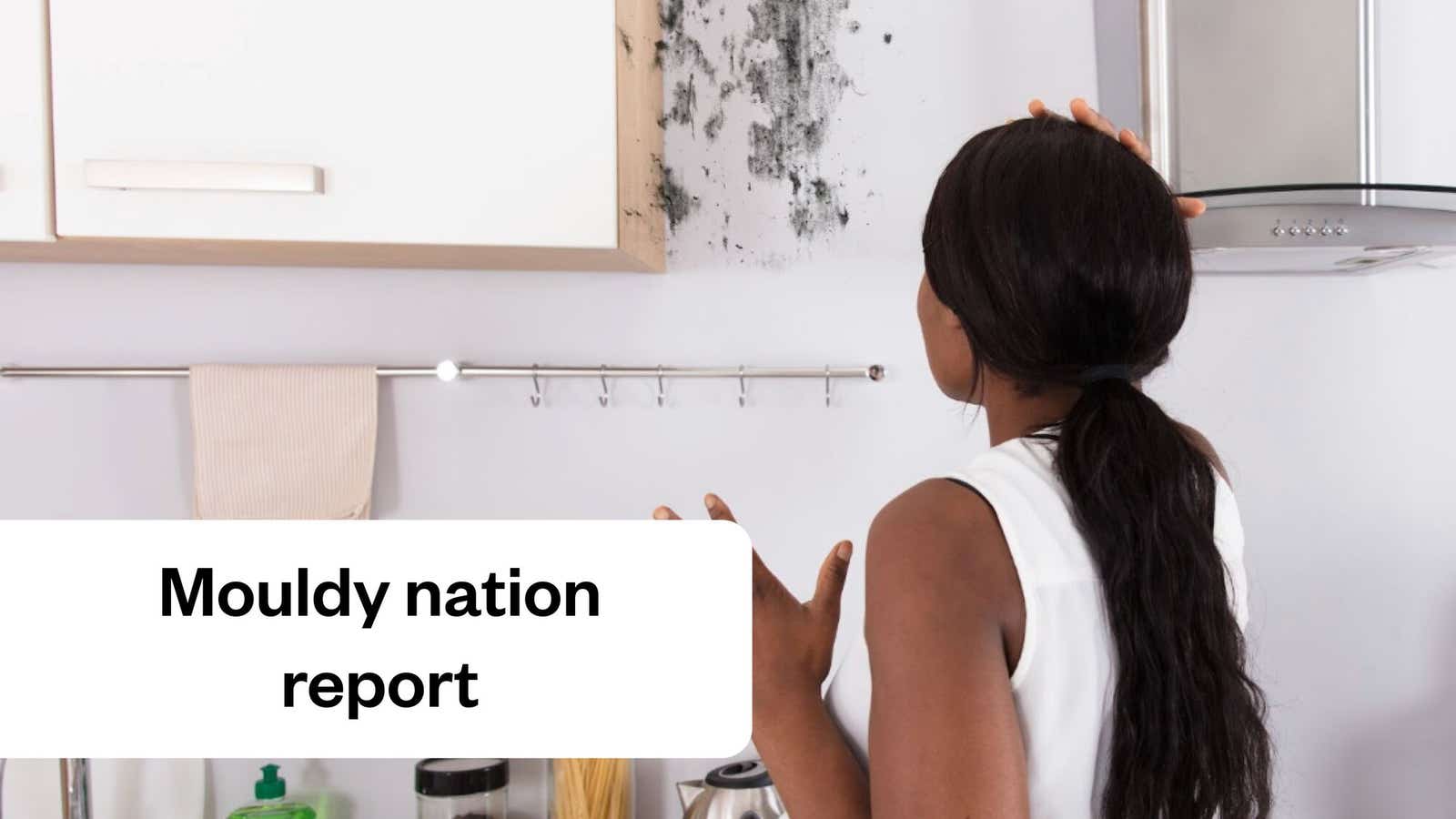
New research from Uswitch shows mould and damp remain common in UK homes, with more than six in ten Britons saying they have experienced condensation, mould or damp in a previous property, including 37% who report mould specifically.
The issue spans all housing types. While renters are affected, the majority of respondents are homeowners, underlining that mould is not confined to the rental sector.
There is also a clear link to heating affordability. Among those who have experienced mould, 27% say paying for adequate heating was difficult at the time, and 53% believe mould would likely be reduced if their home were properly heated.
With energy prices continuing to rise, many households are changing how they heat and ventilate their homes. For those looking to reduce heating costs while protecting their home, Uswitch offers practical energy-saving tips, alongside tools that allow households to find cheaper energy deals.
The cost of living and the moisture trade-off
Energy prices are reshaping how people heat and ventilate their homes, often in ways that may increase damp risk.
Nearly two-thirds (65%) say their energy prices have increased over the past year. More than a quarter (28%) say they find it difficult to afford heating their home this winter, including 7% who describe it as “very difficult”, suggesting many households are walking a financial tightrope.
As a result, 83% say they’ve changed how they heat or ventilate their home this winter due to cost:
- 43% slept with the heating off overnight
- 37% used heating for fewer hours
- 32% turned down the thermostat
- 39% kept windows shut
- 14% avoided opening windows even when condensation appeared
- 37% dried clothes indoors
Among those who saw prices rise, 39% say they are drying clothes indoors more frequently, while 14% are opening windows less often after cooking. One in ten (10%) now use extractor fans less frequently when showering or bathing.
At the same time, 31% say they are wiping condensation from windows or walls more often, and 44% are keeping internal doors closed to retain heat, strategies that conserve warmth but can reduce airflow.
The result is a clear divide: some households are increasing ventilation, while others are cutting it back to save money.
Is heating linked to mould?
Many Britons believe so.
Over a third (36%) agree that mould has become more of a problem because the heating has been on less. More than half (53%) believe mould issues would likely be reduced if their home was heated adequately.
Among those who have experienced mould, one in four (25%) say an inability to heat their home properly contributed to the problem. And 27% say paying for adequate heating at the time was difficult.
This strongly suggests that mould is not only a building issue, but an affordability issue.
How widespread is mould?
- 48% say they experienced condensation in a previous home
- 37% report mould
- 31% damp
Among those affected, bathrooms are the most common location (58%), followed by bedrooms (49%) and windowsills (41%). Over a quarter report issues on ceilings (27%) or behind furniture (26%), and 15% say mould appeared in rooms where they dry wet clothes.
When asked about severity:
- 10% say the mould was severe
- 40% describe it as moderate
- 47% say it was mild
Half describe the issue as moderate or severe, suggesting this is often more than a cosmetic inconvenience.
Health impacts
Among households that have experienced mould or damp:
- 23% report coughing
- 14% respiratory issues
- 14% allergies
- 13% headaches
- 12% skin irritation
- 8% worsening asthma
Although 37% report no symptoms, a significant minority associate mould with tangible health effects.
For nearly one in three (32%), mould has been serious enough to make them leave, or consider leaving a property.
What people are doing about it
Four in five (81%) have used products or tools to try to prevent or remove mould:
- 33% used specialist mould cleaners
- 32% used bleach-based products
- 28% used an electric dehumidifier
- 27% applied anti-mould paint
On a longer-term basis:
- 41% regularly ventilate rooms
- 25% try to keep the home warmer
- 23% run a dehumidifier regularly
- 21% repaired leaks
However, one in five (20%) say they have taken no longer-term measures at all.
When mould appears, most people initially act themselves:
- 59% used specialist products
- 49% increased ventilation
- 41% used home remedies
- 39% used a dehumidifier
- 24% increased heating
Only 21% reported the issue to a landlord or housing provider, suggesting many try to manage it alone.
Responsibility and disputes
Public expectations are clear: 60% believe landlords are primarily responsible for fixing mould in rented accommodation, compared to just 11% who say tenants.
However, lived experience is more complicated.
A third (33%) say they did not raise a formal complaint. Among those who did:
- 25% complained to their landlord
- 13% to a letting agent
- 8% to a local authority
While 54% received a response within a few weeks, 10% say they never received a response at all.
Even when action was taken, resolution wasn’t guaranteed:
- 27% say the issue was completely resolved
- 43% say it was only partially resolved
- 24% say it didn’t improve or got worse
Although 64% say they were not blamed, nearly one in five (18%) report being blamed by their landlord, and 9% by a letting agent.
What people told us
Mould isn’t confined to bathrooms and bedrooms. Respondents described issues in basements, lofts, cupboards, wardrobes, garages, porches and utility rooms, often in poorly ventilated or storage-heavy spaces.
Many initially tried DIY solutions, from repeated cleaning and repainting to wiping down condensation. Others faced more serious interventions, including installing ventilation systems, fitting damp-proof courses, removing insulation, refurbishing bathrooms or even moving out entirely.
Some escalated cases to environmental health teams, insurers or the Property Ombudsman. While some landlords carried out inspections and structural repairs, others were reported to have offered only temporary fixes.
For many, mould was not just a maintenance issue, but a financial, legal and relational one.
What’s happening in social housing?
While mould affects homeowners and renters alike, complaints data shows the issue remains particularly acute in parts of the social housing sector.
Between the 2019/20 and 2023/24 financial years, the Housing Ombudsman received 16,098 complaints relating to damp and mould in social housing:
- 5,138 from local authority properties
- 10,960 from housing associations
That equates to an estimated 36.4 complaints per 10,000 social housing units, with complaints rising by nearly 17% in 2023/24 compared to the previous year.
Housing associations received more complaints overall than local authorities, both in total volume and per 10,000 homes.
London dominates the top of the complaints rankings. Eight of the ten local authorities with the highest complaint rates were in the capital, with Haringey recording an estimated 31 complaints per 10,000 housing units, the highest in England.
While the overall proportion of English dwellings affected by damp and mould has fallen over the past decade (down 17% across all homes), complaints to the Ombudsman have risen in recent years. Some local authorities have seen sharp year-on-year increases, including West Northamptonshire, where complaints rose by 367% in a single year.
The data suggests that although long-term housing quality may be improving overall, reporting and escalation of mould issues in social housing is increasing, placing continued scrutiny on landlords and housing providers.
Sources: Housing Ombudsman FOI data; Regulator of Social Housing; English Housing Survey.
Financial help for heating the home
If you’re struggling with your energy bills, there is help available. Energy suppliers are required to have plans in place to help customers who need it. There are also various government-run support schemes, such as the Warm Home Discount, Winter Fuel Payment and Cold Weather Payment.
You can also compare energy deals to see if there might be a suitable fixed tariff on offer that you could switch to.
FAQs
How do you remove mould?
Small areas of surface mould can often be removed using specialist mould cleaning products. Always wear gloves and ensure good ventilation while cleaning.
If mould keeps returning, appears on ceilings, behind furniture or covers a large area, it may indicate an underlying damp or ventilation issue that needs addressing rather than just cleaning.
How can you prevent mould in your home?
Mould thrives in moisture and poor ventilation. To reduce the risk:
- Ventilate rooms regularly, especially after cooking or showering
- Use extractor fans where available
- Make use of a dehumidifier
- Wipe condensation from windows
- Avoid drying clothes indoors where possible
- Keep furniture slightly away from external walls
- Maintain consistent background heating where affordable
- Long-term solutions may include improving insulation, fixing leaks and upgrading ventilation systems.
What’s the best way to clean mould from walls?
For small patches, use a mould removal spray and gently scrub the area. Avoid dry brushing, as this can release spores into the air.
After cleaning, monitor the area. If mould reappears soon after cleaning, this may indicate an underlying problem such as persistent condensation, structural leaks or inadequate insulation that requires investigation.
Can I paint over mould?
You must never paint over mould. Mould needs to be killed first and route cause of the mould addressed.
To help prevent mould growth in the future, you can use specific anti-mould paint.
What mould removal products work best?
Specialist mould removal sprays are widely available and designed to kill spores and prevent regrowth. Anti mould paints and sealants can provide temporary protection in high moisture areas such as bathrooms.
However, products alone rarely solve recurring mould. Addressing moisture sources is key.
Can you remove mould yourself?
Minor surface mould can often be treated safely at home. However, professional help may be needed if:
- The affected area is large
- Mould keeps returning
- There are signs of structural damp
- Household members have respiratory conditions
In rented homes, tenants should inform their landlord, as structural issues are typically the landlord’s responsibility.
Does turning the heating off cause mould?
Lower heating levels can increase condensation, especially in colder months. Our research found 36% of people believe mould worsened when heating was used less. Maintaining consistent background warmth and ventilation can help reduce moisture buildup.
Does drying clothes indoors cause mould?
Drying clothes indoors can increase humidity levels, particularly in poorly ventilated spaces. This can lead to condensation on walls and windows, creating the conditions mould needs to grow.
Where possible, dry clothes outside or use a vented tumble dryer. If you need to dry clothes indoors, open windows to improve airflow and use extractor fans or a dehumidifier to help reduce moisture buildup.
Methodology and sources
Methodology:
An FOI was sent to the Housing Ombudsman asking for a breakdown of complaints about mould/damp and leaks/flood in English local authorities by year for local authority and housing association-run properties. Data returned covered Financial Years 2018/19 to 2023/24 for mould/damp.
To compare this to the number of properties, 2024 data from the Regulator of Social Housing was taken on the number of LARP (local authority-run) and PRP (privately-run, including housing association) properties to provide an estimate of the number of complaints per property.
Data on % of properties with damp/mould was taken from the English Housing Survey.
2000 adults in the UK were also surveyed on their experiences and opinions on mould between 20/11/2024 and 22/11/2024.
Sources:
https://www.gov.uk/government/statistical-data-sets/dwelling-condition-and-safety

