How to charge an electric car

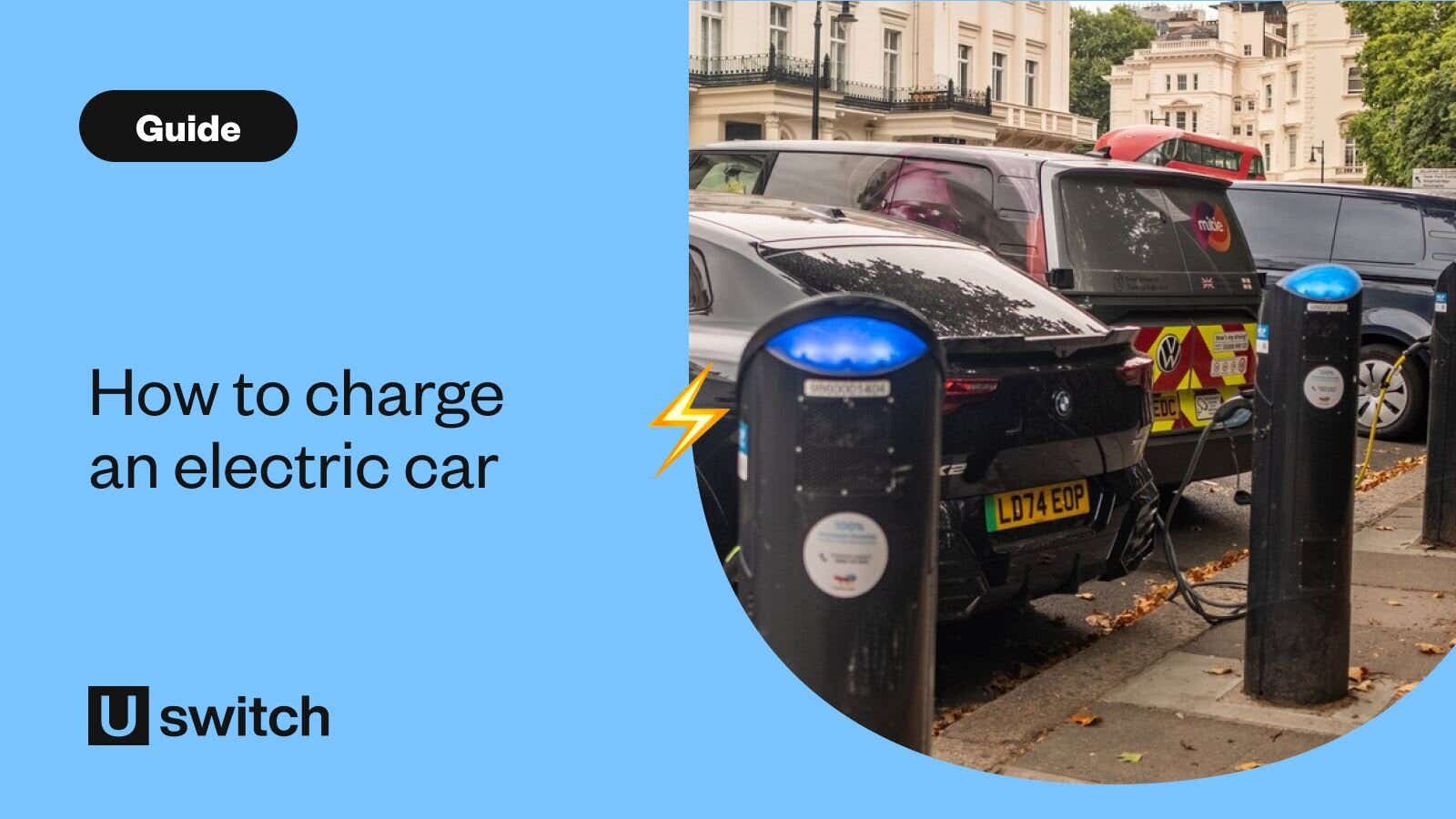
How to charge an electric car at home
The easiest way to charge an electric car is at home. While it’s technically possible to charge using a standard three-pin plug, this isn’t the optimal way of doing so – it’s incredibly slow for starters, so it should only be used in emergencies.
Most electric car owners install home chargers in their driveways or garages exclusively for their own use. These home chargers are designed to work with electric cars so they can be fully charged in a matter of hours - most people charge overnight so they can take advantage of time-of-use EV tariffs that offer lower rates to use electricity during the night. The charger will also usually be tethered with the cable you need for your vehicle, so all you have to do is plug it in and leave it.
How to charge an electric car at work
With many workplaces now investing in EV charge points, the next best place to charge your car could be while you’re in the office. Many workplaces are installing charging points for employees and visitors. They work in the same way as home chargers, though they’re likely to be untethered which means you’ll need to bring your own cable to connect your car - it’ll usually be a Type 2 connector.
In terms of charging speed, electric vehicle chargers provided by businesses will charge at about the same rate as home chargers.
How to charge an electric car at public charging points
Public electric car charging points are available across the UK, including at supermarkets, leisure centres, cinemas, car parks, motorway services and dedicated charging hubs. They're operated by networks such as Shell Recharge, bp pulse and GRIDSERVE. Tesla also operates its own Supercharger network, with selected locations open to drivers of other compatible electric cars.
Charging speeds vary considerably. Many destination chargers provide 7–22 kW using alternating current (AC), making them useful for topping up your battery while shopping or visiting somewhere. A 7 kW charger might add around 20–30 miles of range per hour, depending on the vehicle. They’re probably best used to top up the car’s battery when you’re parked for an hour or two, rather than trying to get a full charge from them.
Faster rapid and ultra-rapid direct current chargers are increasingly being rolled out in these locations, offering charging speeds of 50 kW and over. These are particularly useful on longer journeys, delivering a substantial charge in considerably less time.
Most public charging points charge for electricity, with payment options including a smartphone app, charging card or contactless bank card. Always check the price, charging speed and payment options before plugging in.
How to charge an electric car on long distance journeys
If you're travelling a long distance in an electric car, you may need to recharge along the way, depending on your vehicle's range and the length of your journey. Rapid and ultra-rapid public charging points, commonly found at motorway services and dedicated charging hubs, are usually the best option. These allow you to add a substantial amount of range during a relatively short stop, with some compatible EVs capable of charging from 10% to 80% in around 20–30 minutes.
Rapid chargers deliver between 50 kW and 149 kW, while ultra-rapid chargers offer 150 kW or more. Both use direct current (DC), which bypasses the car's onboard AC charger to charge the battery directly. Most modern UK electric cars use a Combined Charging System (CCS) connector for DC rapid charging, although some older models use CHAdeMO. Rapid and ultra-rapid chargers have their own attached cables, so you won't need to bring one.
Cars equipped with a CCS2 charging socket can also use a Type 2 connector for slower alternating current (AC) charging, where the vehicle's onboard charger determines the maximum charging rate. Before setting off, check which connectors your car supports and use a charging app or your car's satnav to locate suitable charging points along your route.
How long does it take to charge an electric car?
Electric car charge speeds depend entirely on the car and the charging point, though slow chargers are usually the slowest and rapid chargers the quickest. The table below shows how long it takes to charge the average electric vehicle battery from empty to full using different chargers.
| Type | Speed | Charging time |
|---|---|---|
| Standard charging | 3–7.4 kW AC | 5–13 hours |
| Standard Plus charging | 8-22 kW (AC); 8-49 kW (DC) | 2–5 hours |
| Rapid charging | 50–149 kW DC | 30–60 minutes |
| Ultra-rapid charging | 150 kW or more DC | 20–40 minutes |
FAQs
How much will it cost to charge my car at home?
That depends on your electricity tariff and the size of your car battery. Find out more in our dedicated guide to the costs of charging an EV.
How do I find public EV charge points?
There are various tools available to help electric car drivers find public charging points, such as Uswitch's EV charging points map.
