How to keep your car safe in winter: A guide to winter driving

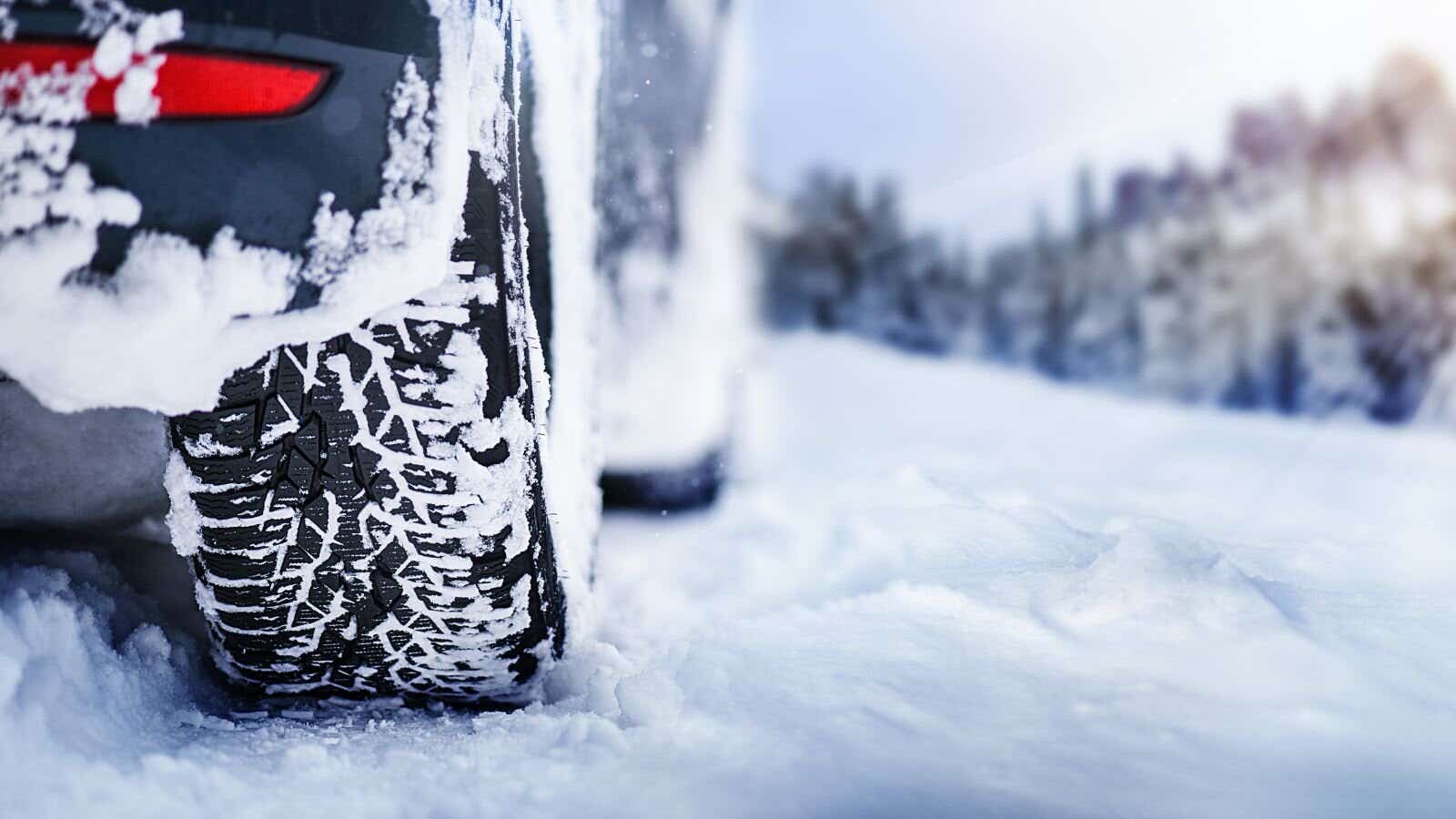
Why is winter driving more dangerous for your car?
Driving your car in the winter comes with its own set of risks. During the months of November and December, insurers can see a 25% spike in claims, showing how the cold weather can impact vehicle safety.
Ice and snow decrease traction, leading to a higher risk of skidding, loss of control, and longer braking distances. In addition, low winter sun can cause dangerous, blinding glare that can hide hazards and reduce visibility.
Winter weather can also affect your car's overall condition. Freezing temperatures can crack rubber, damage tyres with low pressure or poor tread, and destroy wiper blades, while the salt used to treat roads can cause accelerated rust and corrosion to the car's undercarriage.
It's crucial to get your car winter-ready before any journeys. Negligent winter driving, such as driving with a snow-covered roof, can lead to fines and potentially impact insurance payouts. This could mean you're forced to pay thousands to cover the costs of damages yourself.
How do I perform a winter car health check?
When performing a winter car health check, remember FORCES:
Fuel: Keep the tank at least half full to prevent fuel line freeze
Oil: Check the oil level with the dipstick to avoid engine seizure in cold starts
Rubber: Tyresafe recommends a 3mm tread depth for better winter grip. Always check your tyre pressure, as it can drop in cold weather
Coolant: Ensure a 50/50 antifreeze mix to prevent engine freezing
Electrics: Batteries are the number one cause of winter breakdowns
Screenwash: Top up with a screenwash rated to at least -15°C to prevent freezing and replace worn wiper blades to maintain visibility.
How can I drive safely in snow and ice?
There are various things you can do to increase your driving safety in snow and ice:
- Pull away in second gear: This can help reduce wheel spin
- Be aware of stopping distances: The Highway Code states that stopping times can increase by 10 times on ice, so drive slower than you normally would
- Avoid slamming on brakes if you start to skid: Steer into the skid and avoid slamming on the brakes
- Use gentler, smoother movements: Avoid harsh braking, acceleration, or steering
- Improve visibility: Use dipped headlights, even during the day, if it's snowing heavily.
- Switch to winter tyres: Winter tyres provide better grip in cold, wet, and icy conditions, helping improve safety on slippery roads.
- Get a winter service: A professional winter service ensures key components like brakes, battery, and engine are in top condition.
What should I include in a winter car emergency kit?
Packing a winter car emergency kit is a great way to be prepared for any unexpected events. Your emergency kit should include:
- Ice scraper
- De-icer
- Torch (with batteries)
- Shovel
- Blanket
- High-vis vest.
You may also want to include modern essentials like a power bank for mobile phones. A physical road atlas can also come in handy in case GPS fails in remote areas.
Will my car insurance cover me for winter accidents?
In most cases, yes. Standard comprehensive car insurance covers accidental damage from snow and ice. If you have an accident while driving in snow or ice, report it to your insurer like you would with any other incident.
But always be aware of contributory negligence. For example, if you leave your car running to de-ice and it gets stolen - also known as puffer theft - most insurers won't pay out.
It's also worth mentioning that 'Act of God' clauses are a myth. In reality, most comprehensive car insurance policies are designed to cover natural events, but you must take reasonable care. If your insurer denies your claim, it might be because of:
- Negligence: For example, leaving your car parked under a clearly damaged tree
- Inadequate coverage: You only have third-party fire and theft insurance, but need comprehensive cover for storm damage.
Common winter car problems and how to avoid them
Certain issues are more common in winter, but with a little planning, most can be prevented:
Frozen locks
- Prevent frozen locks by applying a silicone spray or lock lubricant. If your lock is already frozen, use a de-icer or gently warm the key.
Foggy windscreen
- Keep your windscreen clear by using the air conditioning or a demister. Cleaning the glass inside and out also helps reduce fogging.
Worn wiper blades
- Winter weather can be harsh on wiper blades. Replace them if they leave streaks or struggle to clear the windscreen.
What should I do if I breakdown in the winter?
Breaking down in winter can be dangerous due to cold weather and poor visibility. Here’s how to stay safe:
Stay visible
- Use hazard lights and wear a high-visibility jacket if you need to exit your vehicle.
Stay warm
- Keep blankets in the car to stay warm while waiting for assistance.
Know who to call
- Ensure you have your breakdown provider’s number saved on your phone.
How does winter driving affect electric cars?
Electric vehicles (EVs) require slightly different care in cold weather Here are a few tips to remember:
Precondition the battery
- Many EVs offer a preconditioning feature that warms the battery before driving, improving efficiency and range.
Plan for reduced range
- Cold weather can reduce an EV’s range by up to 20%. Keep this in mind when planning long journeys.
Charge indoors if possible
- Charging in a garage or covered area can help maintain a stable battery temperature.
Get a car insurance quote
See a range of car insurance quotes in just a few minutes when you compare with Uswitch
